

Advocating for Sleep Research
The Sleep Research Society (SRS) regularly coordinates outreach to policymakers guided by the SRS Statement of Principles to educate them about the value and importance of circadian, sleep, and sleep disorders research. These members of Congress and administration officials are then better positioned to help advance research, promote public activities, and collaborate with the community to address important legislative, policy, and regulatory issues. This approach has led to a meaningful federal investment in relevant programs over recent years and expansion or inclusion of sleep research activities across federal programs, including:
- The National Institutes of Health
- Department of Defense
- Department of Veterans Affairs
- Department of Transportation
- Centers for Disease Control and Prevention


Tools for Taking Action
Real progress happens when members like you share your expertise and personal stories. Many in Congress are still unfamiliar with the importance of sleep research—your voice can help change that. As a constituent, your input carries weight, and legislators want to hear from you.
You don’t need to be a policy expert or commit huge amounts of time to get involved. Below are resources to get started.
SRS Advocacy in Action
The SRS facilitates government relations activities through our Advocacy Task Force, but it is the important volunteer advocacy of our members that facilitates the most progress on an annual basis. Advocates use their personal story and scientific or healthcare interest to connect with their members of Congress and explain the need to enhance support for federal circadian, sleep, and sleep disorders programs. The new Congress has many Representatives and Senators that are unfamiliar with research and public health efforts in this area. Please reach out to your legislators, enlist their support, and begin building a relationship with their congressional office. As a constituent they will want to hear from you and benefit from your expertise.
2026 SRS Hill Day
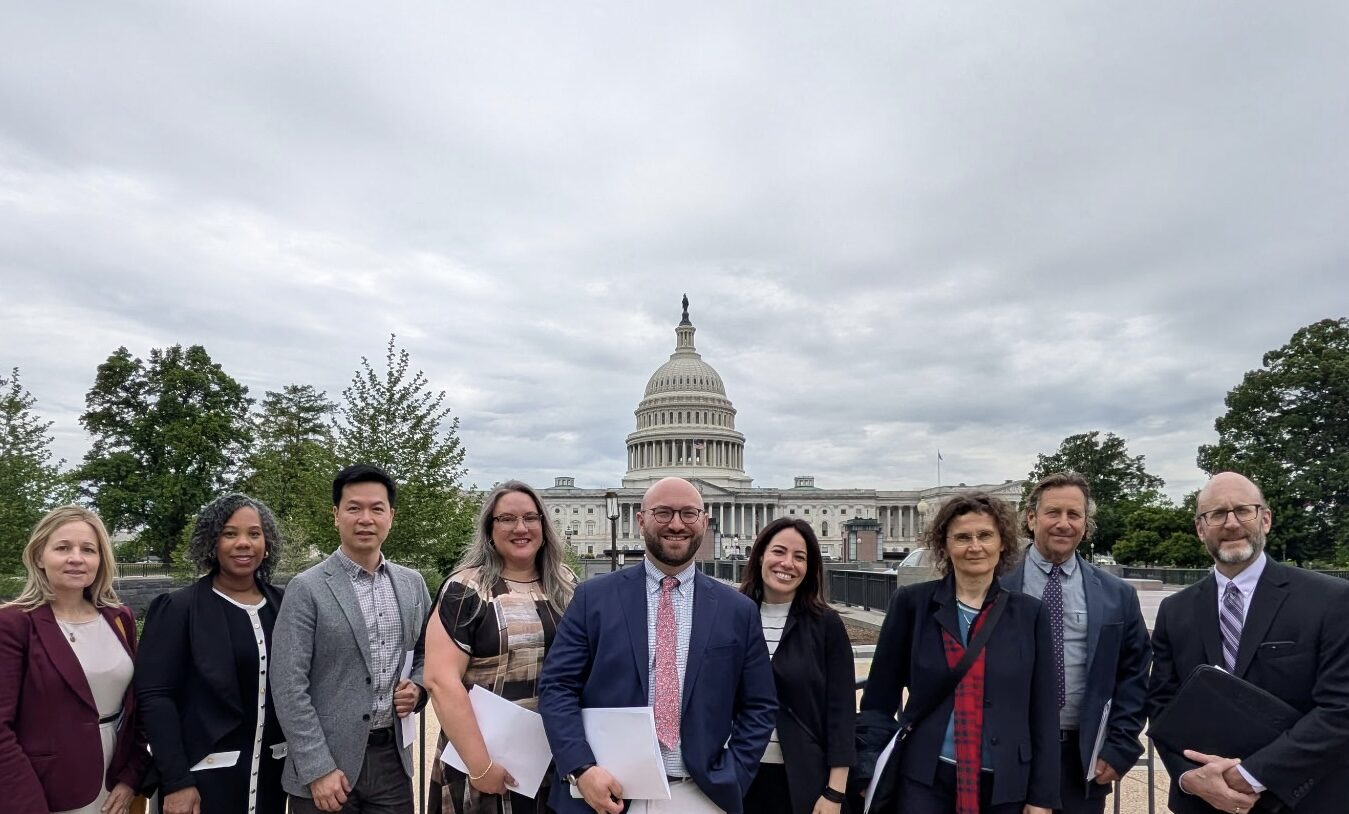
The SRS Advocacy Task Force and other SRS members traveled to Washington, DC on April 28, 2026, for Hill Day. Hill Day consisted of a breakfast briefing in the morning where awards were presented to Congresswoman Lofgren and Congressman Newhouse. There was a panel discussion for the briefing featuring representatives from multiple NIH institutes, NIMH, NIA, NINDS, NCSDR, and ARPA-H. The group also made visits to State Representatives and Senators. Thank you again for advocating sleep and circadian research!
2025 Virtual NIH Visits
Over the past decade, the sleep research portfolio at the National Institutes of Health (NIH) has more than doubled in size to nearly $600 million annually while the overall agency budget has not grown at nearly the same rate. Sleep portfolios at other federal agencies, most notably the Department of Defense (DoD), have experienced proportionally similar increases. This progress is the result of a combination of strong member advocacy and engagement with congressional members and their health and medical staff representatives. SRS members visit Capitol Hill and ask representatives to work, through the appropriations process, to support funding for research and in particular, sleep and circadian research. Through meaningful engagement with agencies to discuss recent advancements, emerging opportunities, and areas for collaboration, your SRS Advocacy Taskforce Members work to ensure that our collective voices are heard on Capitol Hill.
In mid-December 2025, the SRS Advocacy Task Force participated in Virtual NIH Visits with the NIA, NINDS, and NHLBI/NCSDR. Essentially, our goal was to demonstrate to these agencies that the Sleep Research Society (SRS) is a trusted partner as they decide how to invest their limited research resources for the greatest impact on scientific progress each year.
View meeting notes and slides from these NIH Virtual Visits. (Login required)
Advocacy Task Force
The Sleep Research Advocacy Task Force guides and organizes SRS volunteers in their advocacy efforts with congressional action and through communicating the value of sleep research to NIH officials in order to build meaningful relationships over time and thereby enhance the funding for sleep research.
For questions, comments or concerns regarding advocacy efforts, please contact SRS Coordinator at coordinator@srsnet.org.